What is Currency? Is Bitcoin there Yet?
Originally published 2021-08-24 on the site's earlier chapter as a crypto/Web3 blog. Kept as-is for the record.
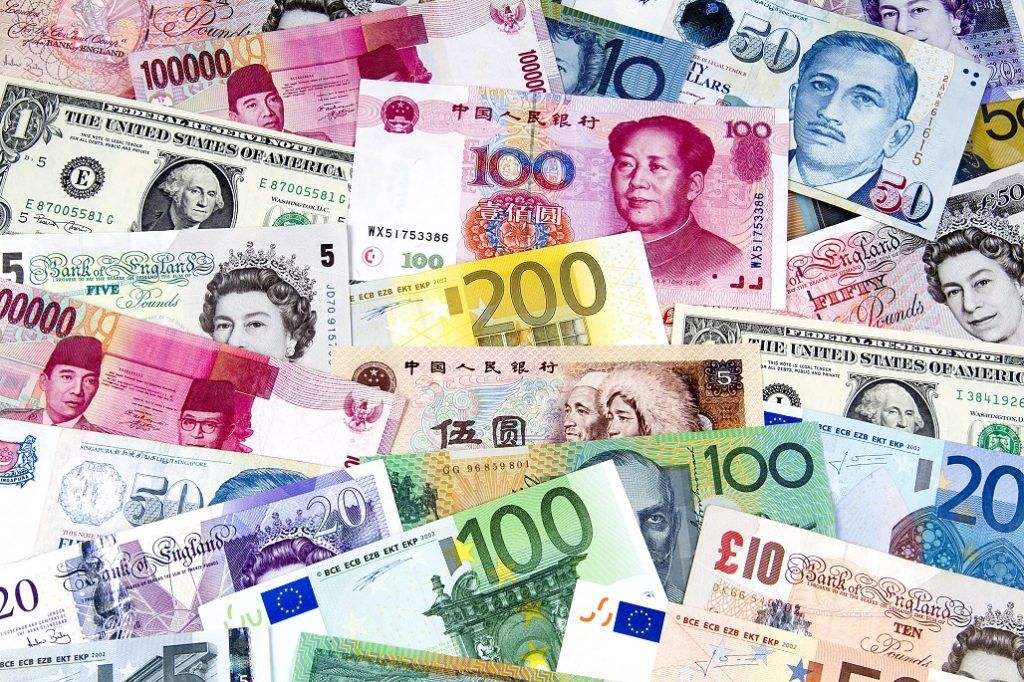
How do you tell someone that you're Indian without telling them you're Indian? When they ask you what is money, you reply that it is "Haath ke mail". Relatable much? Well, the generation of my grandparents despised money. The believed it to be a root of all problems. The next gen, my parents, didn't actually despise it but believed in the fact that it should be earned to a certain limit only. Earning more than what you could spend is not desirable. And then came Millennials. We don't feel sad about making money. It could be shit loads of it. Gen Zs have a different approach altogether here. Money is treated like a disposable asset by them. They tend splurge and make more out of it. Unlike all the previous generations, they aren't clingy with money.
But enough about us and our love hate relationship with money. Let's try to dig deeper into the fact what is money or even at a more fundamental level, what currency is? Did we always use green pieces of paper or was it something else? Jumping right away into today's topic, what is currency and is bitcoin it?
History of Money:
Back in the time, when human needs were limited, we used to transact in kind. This was called barter system. You wanted some apples while you grew potatoes, so you simply swapped. Getting apples in lieu of potatoes. But as you might have guessed, this wasn't sustainable. Think of one guy in the past going "Enough! I already have loads of rice bags at home"
So mankind resorted to a common mode of payments. And god knows it took multiple shapes and kinds. Let's discuss about some bizarre forms money took:
A. Rai Stones of Yap:
Yap is a small country to the north of Philippines. Back in the day, about 500 years ago, tribes of this remote group of islands traded in Rai Stones. Imagine carrying this big stone along with you when you are off to purchase a few coffee beans for the morning.
These stones could be as huge as 12ft in diameter and weight up to 8 tons. They also symbolized status and power of a particular village. Relatable eh?

B. Tea Bricks:

Tea lovers assemble. For all of you who live on tea day in and day out, you could have been a millionaire in the past. Yes. Chinese cultures used to trade in cakes made of tea.
From 9th century to all the way till 19th, tea was so valuable that it was used as currency throughout Asia.
The people of China, Mongolia and Tibet, in particular, made tea bricks by compressing tea leaves and casting them into metal molds.
C. Edible Currency:
Salt is the world's oldest form of currency. In fact the word salary comes from Latin word "Salarium" which was money paid to Roman soldiers to buy salt. It was main form of currency in Sahara desert and was used extensively throughout East Africa in Middle ages.

D. Squirrel Pelts:
Okay. Any guesses which countries would be using animal skins to trade? Nordic cultures were known for using squirrel pelts as a common currency for exchange. In fact it was so common that snouts, claws and ears were used as change. That's a different level of 'Chillar' we are dealing with.
E. Bottle Caps of Cameroon:
In a much recent example, in 2005, a brewery in Cameroon started printing prizes under bottle caps to boost sales. Competitors followed the suit to the extent that it was almost certain to find something from a pint of beer to a sports car as a reward under the bottle cap.

Soon enough, people started to trade in those bottle caps. They used to pay cab drivers in that format and similarly, these drivers used to bribe police officers using these very caps. Within months, these caps became a significant part of the economy.
What is Currency then?
Well, I am not resorting to a textbook language even now. In it's simplest terms, currency is what people believe in. Confused? Here's something that can help.
You most definitely would be a part of some kind of loyalty program. Example, credit card points, Starbucks loyalty card, shopper's stop, Jet Miles, you get the idea. That is a currency within that eco system. If you and I both love Starbucks coffee, I could, in theory, pay you in Starbucks points right?
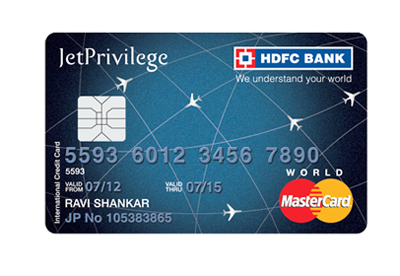
Now zoom out on this at a real life level, you come up with something everyone agrees on as a medium of exchange. It can be as absurd as a piece of paper, but we believe in it.
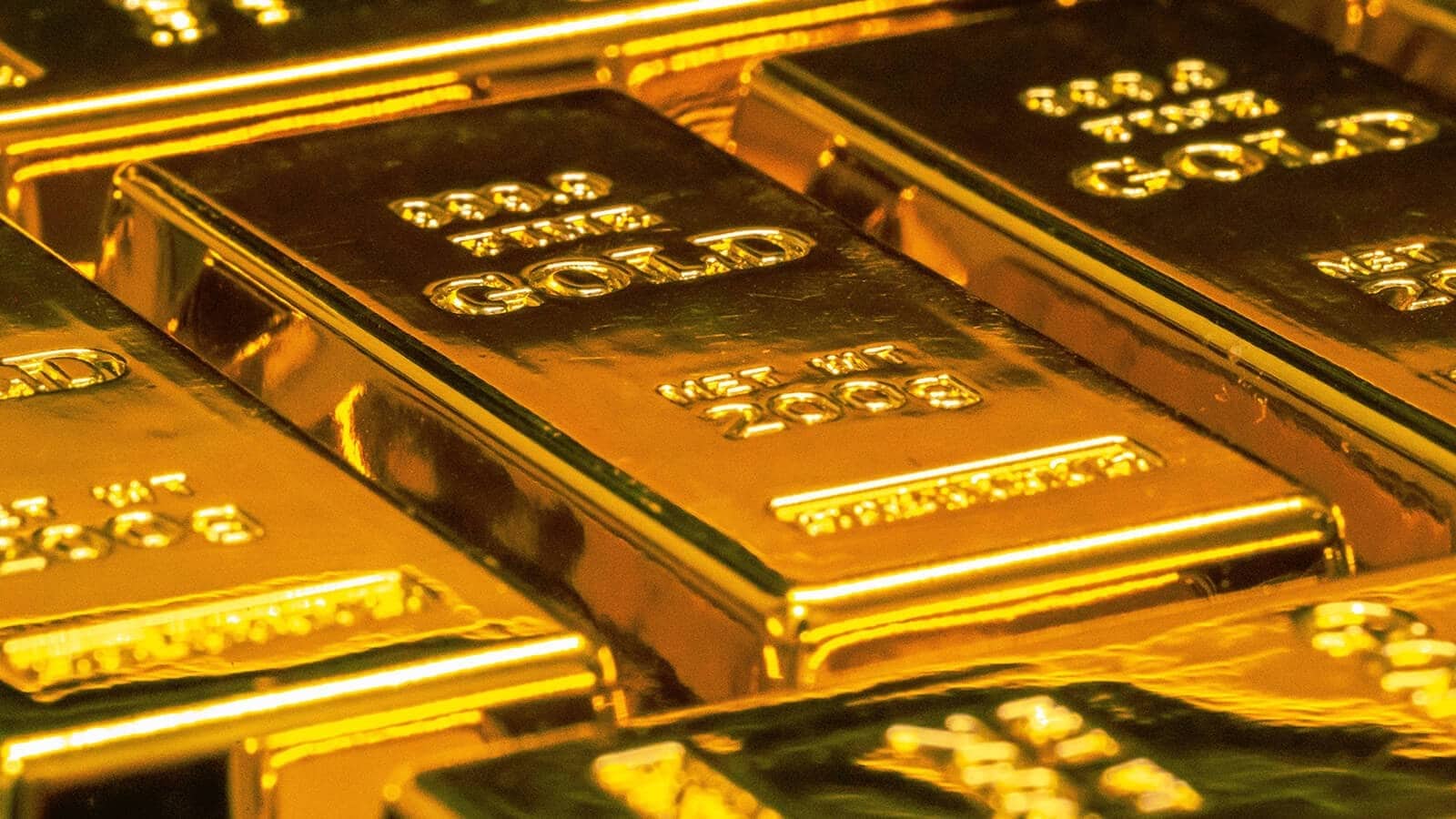
Fun Fact: All currencies of the world, are not pegged to any kind of underlying asset. We think that our currency is backed by gold reserves but that is not true. So entire paper money derives its value from the trust that you place in it and in stable central bank (RBI, Federal Bank).
Now that we know what is currency, here's something that'll help us articulate few properties of money. I will also cover if Bitcoin has these properties in this section.
A. Store of Value:
For anything to be called a currency, it should be future oriented. One should be able to store that currency (and it's value) digitally or physically and later be able to use it to buy something similar which they could have in the present.
Imagine a situation where you stored physical notes of Rs. 1,000 and one fine day they ceased to be a legal tender. Oh Wait! That already happened in 2016. Jokes apart, whatever money you are saving today comes with an unsaid hope that this will appreciate in it's value and you would be able to use it after whatever time we deem fit.

Bitcoin is very much a store of value. Not only you can maintain it's existing value, it's value appreciates insanely. In the last decade, BTC has appreciated in value more than any other asset class.
B. Medium of Exchange:
Any currency should be a common transacting mode between two parties. You should be able to produce that currency whenever required (in return of goods/services) and the seller should be accepting it.

BTC is slowly moving to this stage. With companies like Tesla accepting it (they removed it later) in exchange for their cars and countries like El Salvador accepting it as legal tender, Bitcoin is moving towards incorporating this property.
C. Unit of Account:
Money also acts as a unit of account, providing a common measure of value of goods and services being exchanged. Knowing the value of goods or services, in terms of money, enables both supplier and purchaser to make decisions about how much of the goods are to supply or purchase.

It also creates a level playing field while one is evaluating something.
BTC, unless adopted by masses, won't be able to reach tis stage. We aren't calculating our expenses in Bitcoin as of now.
Conclusion:
Isn't it just crazy that we used to work so hard for that piece of paper but today we get to see it from a very different lens? If enough people refuse to accept money as we know of today, it will lose it's value eventually. I am not making this up. This has happened in the past in countries like Venezuela and Zimbabwe.
What do you think about your hath ki mail?
https://www.instagram.com/p/CRN0bYkrgAw/
This blog post is part of the blog challenge ‘Blogaberry Dazzle’ hosted by Cindy D’Silva and Noor Anand Chawla and sponsored by Bakez by Daizy.